








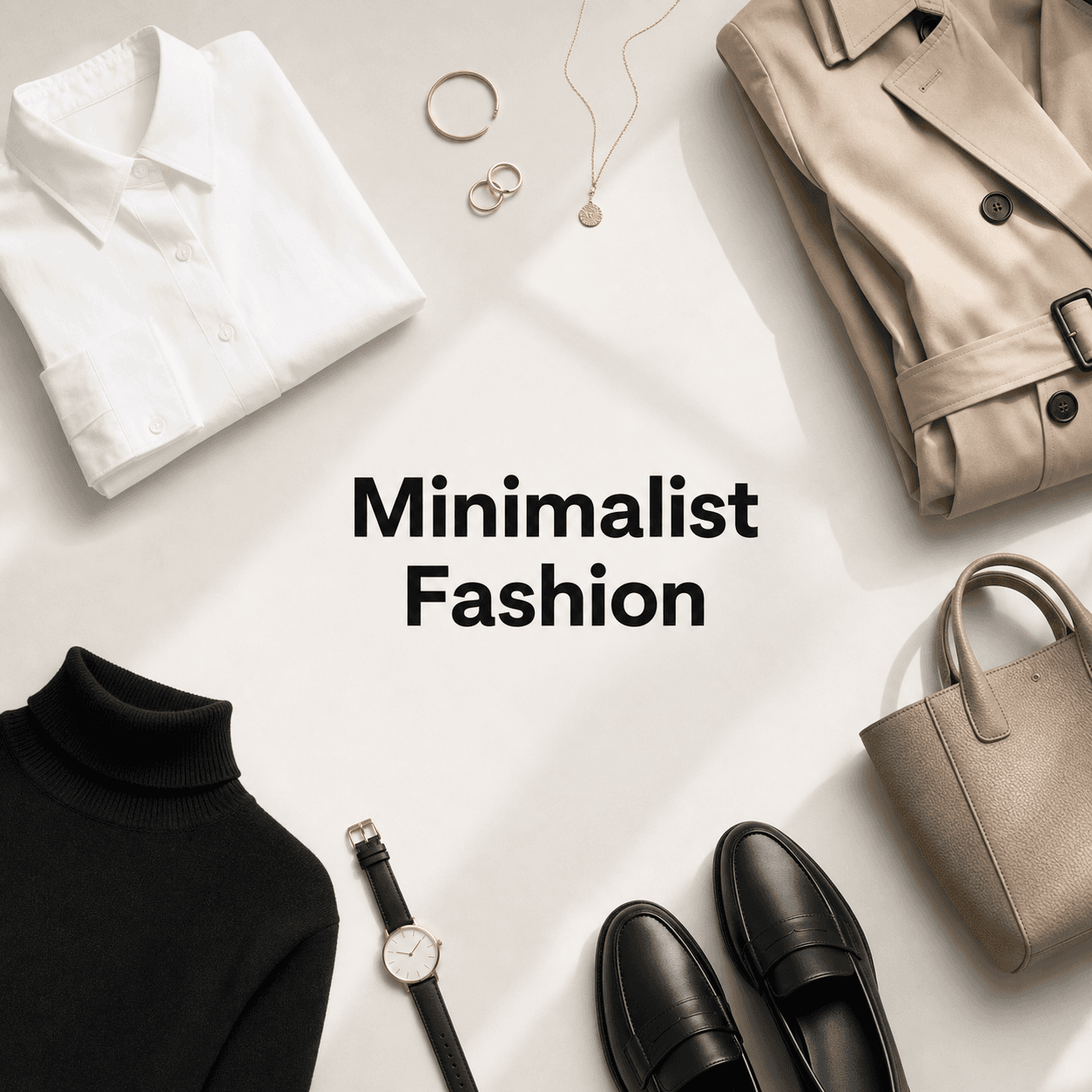
Minimalist fashion keeps having these little “comeback” moments, except it never really left. It just quietly sits there in the background while trends do their loud, chaotic thing. Then one day you look at your closet, feel a tiny wave of regret, and suddenly a crisp white shirt and a clean pair of straight leg jeans start to look… kind of perfect.
And it’s not just about looking polished. Minimalist fashion is gaining popularity because it solves a bunch of modern problems at once. Decision fatigue, overconsumption, clutter, the weird pressure to constantly reinvent yourself online. It’s like minimalist style is saying, hey, you can calm down. You can still look great. You just don’t need twenty versions of the same top to do it.
Let’s talk about why it keeps growing.
It makes getting dressed easier, which people desperately want
A lot of people are tired. Not just physically, but mentally.
Minimalist wardrobes reduce the number of choices you have to make, and that matters more than it sounds. When your closet is mostly neutral colors, simple shapes, and pieces that all work together, you stop having those daily mini crises like:
- Why do I have nothing to wear?
- Why does this look good in my head but not on my body?
- Why did I buy this neon thing on sale?
Minimalist fashion is basically a shortcut to “I look put together” without needing a full creative brainstorm at 8:12 am.
It’s also forgiving in a good way. When your outfit is simple, the fit and fabric do the talking. And you don’t have to rely on a trend to make it feel current. A clean black blazer still works. A great coat still works. A plain knit still works. Over and over.
It fits modern life better than most trends do
Trends often assume you have a specific kind of lifestyle. Like you’re constantly going to rooftop dinners, art galleries, and spontaneous weekend trips where you just happen to pack the perfect matching set.
Real life is more like… grocery store. Laptop. Commute. Random meeting. Maybe a dinner. Maybe not.
Minimalist fashion blends into all of that. It’s adaptable. A simple outfit can be casual or elevated depending on shoes, hair, accessories, even the bag you grab on the way out. You can wear the same base outfit in multiple settings and it doesn’t feel weird.
And in a time where people are mixing workwear and casualwear constantly, minimalist pieces make that transition easy. A sleek trouser with a tee. A button down with sneakers. A cardigan over basically anything. It’s practical, and people love practical when they’re busy.
It’s a quiet reaction to fast fashion burnout
A lot of shoppers have this moment where they realize they’ve been trapped in a loop:
Buy something cheap because it’s cute and trendy. Wear it twice. It loses shape. It feels off. You donate it or shove it in a corner. Then you buy something else to replace the feeling.
Minimalist fashion is often tied to the idea of buying less, buying better, and repeating outfits without feeling like you’re committing a social crime.
And yeah, not everyone who dresses minimally is doing it for sustainability. But the overlap is real. Minimalism makes it easier to avoid impulse purchases because you have a clearer sense of what fits your wardrobe.
When your “rules” are simple, like:
- Neutral base colors
- Clean silhouettes
- Pieces that layer well
- No random prints unless you truly love them
You automatically filter out a lot of the noise. That’s powerful in a world where every app is trying to convince you that you need a new thing right now.
The aesthetic works online, and that matters more than we admit
Minimalist fashion photographs well. It looks clean on camera. It reads as modern and intentional even when the outfit is very basic.
There’s a reason so many influencers (and brands) lean minimalist. It’s visually calm. It lets the person shine rather than the outfit screaming first. And it fits beautifully into the “neutral feed” world where everything is beige, cream, black, gray, and soft brown.
Also, minimalist outfits are easy to replicate. People see a simple look and think, I can do that. They don’t need a rare vintage piece or a very specific micro trend item. They might already own something similar.
That’s a big reason minimalist fashion spreads. It feels accessible, even when it’s styled with expensive items. The silhouette is the message.
Minimalism signals confidence, in a low key way
There’s a certain kind of confidence in not trying too hard.
Minimalist fashion often gives off the vibe that you know yourself. You’re not chasing the moment. You’re not dressing for shock value. You’re choosing clean lines, good fit, and consistency.
And that’s appealing because a lot of people want their clothes to support them, not compete with them.
A simple outfit can look very intentional if it’s done right. Even something as plain as a black turtleneck and trousers. When it fits well, when the fabric is nice, it looks strong. It doesn’t need extra.
It’s almost like minimalist fashion is a form of self editing. You’re saying no to the clutter. Not just in your closet, but in how you present yourself.
It works across ages and style identities
Minimalist fashion is one of the rare style lanes that doesn’t feel age locked.
A 22 year old can wear a simple tank, jeans, and loafers. A 45 year old can wear the same formula. Different fits, different brands, different details, but the concept holds.
And because minimalism is more about restraint than a specific “look,” it can fit different aesthetics:
- Minimal with an edge (leather jacket, sharp boots)
- Soft minimal (knits, wide leg pants, muted tones)
- Sporty minimal (clean sneakers, simple sets, caps)
- Classic minimal (button downs, trench coats, tailored pieces)
This flexibility keeps it popular because people can grow with it. You don’t age out of clean basics. You just refine them.
Capsule wardrobes made the idea easier to understand
Minimalist fashion used to sound a little intimidating. Like you had to throw away everything and become a monochrome person who only owns three shirts.
Then capsule wardrobes became popular, and suddenly minimalism felt practical instead of extreme.
A capsule wardrobe is basically a smaller set of clothes that work together. The logic is simple and honestly kind of addictive once you try it. You buy pieces that match, and you repeat them in different combinations.
This made minimalist fashion feel like a system, not just an aesthetic.
And people love systems. Especially when they save time and money.
People want quality again, or at least the feeling of it
Minimalist fashion puts pressure on the item itself. If your outfit is simple, you notice the cheap fabric, the weird stitching, the bad fit. There’s nowhere to hide.
So naturally, minimalism nudges people toward better quality. Or at least toward pieces that feel better.
This is one reason secondhand shopping fits nicely with minimalist wardrobes. You can find well made basics, older fabrics, sturdy denim, real wool coats. Pieces that hold their shape. Pieces that last.
Even if someone still shops fast fashion sometimes, minimalist style tends to reduce the total amount they buy because they’re less tempted by loud, one season items.
It’s a way to create personal style without constant reinvention
A lot of people struggle with “personal style” because they think it means always having a new look. But personal style is usually the opposite. It’s consistency. It’s the repeated shapes, colors, and proportions that feel like you.
Minimalist fashion helps people find that because it narrows the field. Instead of trying every trend, you build a uniform. Not boring, just reliable.
And once you have a uniform, you can play with small changes that actually matter:
- Switching from gold to silver jewelry
- Changing bag shape
- Adding a scarf
- Going from sneakers to boots
- Playing with texture (linen, denim, wool, leather)
The outfit stays simple, but the vibe shifts. That’s personal style. It’s subtle, but it’s real.
It can be budget friendly, even though it doesn’t always look like it
Minimalist fashion has this reputation for being expensive because the most visible version of it is often luxury. Clean coats, designer bags, perfectly tailored trousers, crisp shirts.
But the core idea isn’t expensive. The core idea is fewer pieces, more wear, better coordination.
You can build a minimalist wardrobe on a budget if you focus on:
- Fit over brand
- Fabric feel over logo
- A tight color palette (so everything matches)
- Simple layering pieces
- Thrifted or secondhand staples
And here’s the honest part. Minimalism also helps you stop buying duplicates. When you commit to a small set of silhouettes and colors, you stop purchasing random “almost right” items. That alone saves money.
It matches the broader cultural shift toward less
Minimalist fashion isn’t happening in isolation. It’s connected to minimalism in general. The whole idea of simplifying. Decluttering. Owning fewer things but liking them more.
People are doing this with their homes, their schedules, their digital lives. So it makes sense they’re doing it with clothes too.
And in uncertain times, simple style feels grounding. There’s comfort in basics. In predictability. In pieces you can rely on. Fashion becomes less about performance and more about support.
So what does minimalist fashion actually look like right now?
Minimalist fashion in 2026 isn’t just skinny jeans and a blazer. It’s broader than that.
You’ll see:
- Relaxed tailoring (wide leg trousers, oversized blazers)
- Clean denim (straight leg, full length, minimal distressing)
- Simple knitwear (fine knits, ribbed tanks, cardigans)
- Neutral palettes with occasional muted color (olive, navy, burgundy, chocolate)
- Good outerwear (trench coats, wool coats, bomber jackets)
- Quiet shoes (loafers, sleek sneakers, simple boots)
And probably the biggest shift: texture is doing more work. When color is simple, texture becomes the interesting part. Linen, wool, cotton poplin, leather, suede. That’s where the outfit feels rich without needing prints or loud graphics.
The bottom line
Minimalist fashion continues to gain popularity because it makes life easier, and honestly, people are craving that. It reduces stress. It cuts through trend noise. It supports sustainability without being preachy. It photographs well. It feels confident and calm. And it gives people a way to build a real wardrobe instead of an endless rotating pile of “maybe.”
Also, it just works. Most days, that’s what you want from clothes.
If you’ve been tempted by minimalist style, you don’t have to overhaul everything. Start small. Pick a color palette you actually like wearing. Buy one great pair of pants. Get a jacket that fits. Repeat outfits until they feel like yours.
That’s kind of the point. Simple. Not empty. Just… clear.
FAQs (Frequently Asked Questions)
What is minimalist fashion and why does it keep making a comeback?
Minimalist fashion is a style characterized by simple, clean lines, neutral colors, and versatile pieces that work well together. It keeps making a comeback because it never really left; it quietly sits in the background while louder trends come and go. People often rediscover its appeal when they seek a polished, effortless look that solves modern problems like decision fatigue and overconsumption.
How does minimalist fashion make getting dressed easier?
Minimalist fashion simplifies the daily routine by reducing the number of choices you need to make. With a wardrobe of neutral colors, simple shapes, and pieces that all coordinate, you avoid mini crises like “nothing to wear” or regretting impulsive purchases. It’s a shortcut to looking put together without needing extensive creative effort each morning.
Why is minimalist fashion better suited for modern life compared to other trends?
Minimalist fashion fits seamlessly into everyday activities—commuting, grocery shopping, meetings—because it’s adaptable and practical. Simple outfits can be dressed up or down with accessories and shoes, making transitions between workwear and casualwear easy. This versatility aligns well with busy lifestyles where practicality is key.
How does minimalist fashion address fast fashion burnout?
Minimalist fashion encourages buying less but better quality items that last longer and can be repeated without guilt. By focusing on neutral base colors, clean silhouettes, layering-friendly pieces, and avoiding random prints unless genuinely loved, it helps filter out impulse purchases driven by trends or marketing noise, offering a sustainable alternative to fast fashion cycles.
What role does minimalist fashion play in online aesthetics and social media?
Minimalist fashion photographs well due to its clean, modern look that reads as intentional even in basic outfits. It complements the popular ‘neutral feed’ aesthetic featuring beige, cream, black, gray, and soft brown tones. Because minimalist looks are easy to replicate with common wardrobe staples, they spread widely online as accessible style inspiration.
How does minimalist fashion convey confidence and suit different ages and styles?
Minimalist fashion signals quiet confidence through clean lines, good fit, and consistency without relying on flashy trends or shock value. It reflects self-knowledge and intentionality in how one presents themselves. Additionally, it transcends age groups and style identities because its simplicity and versatility resonate broadly across diverse wardrobes.