







Economic problems have this way of turning political leadership into a pressure cooker.
When things are going fine, leaders can talk about big visions and long term plans and shiny new projects. When prices jump, jobs disappear, or housing turns into a nightmare, all that changes. Suddenly leadership is not about inspiration. It is about reassurance. And triage. And, honestly, survival.
Because economics is not just numbers. It is the weekly grocery run. It is rent day. It is the feeling people get when they check their bank app and do the math in their head.
And voters, even the patient ones, tend to hold the person in charge responsible for that feeling.
Why the economy grabs the steering wheel in politics
There are a few reasons economic stress hits leadership harder than almost anything else.
First, it is universal. You can ignore a policy debate. You cannot ignore a higher electricity bill.
Second, it is immediate. A foreign policy mistake might take months to register. Inflation registers at the checkout line in real time.
Third, it is emotional. People do not experience “inflation at 7 percent”. They experience anxiety, embarrassment, anger. A kind of simmering sense that they are falling behind even if they are working hard.
That emotional layer is where leaders either build trust or lose it fast.
Economic pain changes what citizens demand from leaders
In stable times, voters might reward optimism and big promises. In rough times, they want competence and clarity.
You see it in the kinds of questions people start asking.
Not “what is your plan for the next decade?” But “why is my wage not keeping up?” Not “what is your party’s philosophy?” But “can you stop prices from rising, like, now?”
And this creates a trap for leadership. Because the public wants immediate relief, but most economic fixes are slow, messy, and full of tradeoffs.
Raise interest rates to tame inflation. Great, but then borrowing gets expensive and unemployment can rise. Increase government spending to protect households. Also great, but it can fuel inflation or balloon deficits. Cut spending to show discipline. Also, you might be cutting the exact programs people rely on.
So leaders are forced into hard choices with limited time and even less patience from the public.
The “credit and blame” problem, which is kind of unfair but very real
Political leadership during economic challenges is judged by results, not explanations.
Even if a recession started globally, voters usually blame local leadership. Even if inflation is driven by supply chain problems or energy shocks, the leader becomes the face of it. That is just how politics works. People need a target. The leader is visible.
The reverse is true too. Leaders sometimes get credit for economic recoveries they did not personally engineer. They might have done things that helped, sure. But there is a lot of luck in timing.
This creates incentives that shape behavior.
Leaders may prioritize what looks good quickly over what works better long term. They may push short term stimulus before elections. They may delay painful reforms until after. Or avoid them entirely.
If you are thinking “that sounds cynical”, yes. But it is also predictable.
Crisis forces leaders into communication mode, not just policy mode
During economic hardship, leadership becomes a communication test.
People will tolerate bad news if they trust the messenger. They will not tolerate vague language, mixed signals, or obvious spin. And they especially do not tolerate leaders who seem detached.
So the basics matter more than ever:
- Say what is happening in plain language.
- Say what you are doing.
- Say what will improve and what might get worse first.
- Acknowledge tradeoffs instead of pretending everything is painless.
- Show that you understand how real life is being hit.
This sounds obvious, but it is surprisingly rare. Leaders often hide behind technical jargon or overly optimistic talking points. They keep saying the economy is “strong” while people are quietly skipping dental appointments.
That gap between official messaging and lived experience is where legitimacy starts to crumble.
Economic challenges expose the limits of political power
One of the harsh lessons for any leader is that the economy does not fully obey politics.
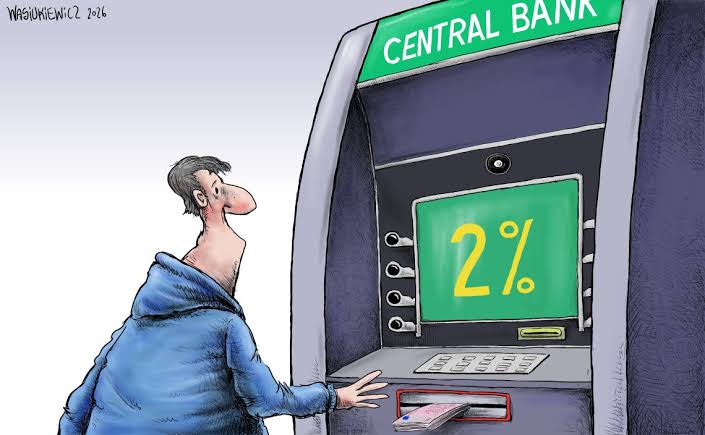
Central banks may be independent. Global markets react instantly. Investors move money across borders in seconds. Commodity prices jump because of conflict halfway across the world. A drought ruins crops. A pandemic disrupts labor and logistics. The leader can respond, but not control all inputs.
Still, leaders are expected to act like they can control it.
So you get this strange performance where leaders must project confidence while negotiating constraints behind the scenes. And the more complex the economy is, the harder that performance gets.
This is where some leaders get into trouble. They overpromise. They declare they will “end inflation” or “bring back jobs” quickly. Then reality hits, and trust erodes.
In a crisis, modesty can actually be a strength, but politically it is risky. Admitting limits can look like weakness, even when it is honesty.
How economic stress reshapes political priorities
Economic crises tend to reorder the agenda.
Climate policy might get reframed around energy prices and security. Immigration debates might shift toward labor markets and wages. Infrastructure becomes about jobs, not just development. International alliances become about trade and supply chains. Defense spending becomes controversial when healthcare is underfunded.
Even values driven issues start getting filtered through economic anxiety. People who might otherwise be open to change become more cautious. They fear disruption. They want stability.
For leaders, that means the coalition that brought them to power can start to shift. Groups that were supportive become skeptical. Others become newly engaged, sometimes angrily.
And in democracies, that can mean electoral punishment. In authoritarian systems, it can mean protests, repression, or elite infighting. Sometimes all of the above.
Populism loves economic hardship, because it provides a story
Economic challenges create a demand for simple explanations.
When life gets expensive and uncertain, people understandably ask: who caused this?
Populist leaders often offer answers that are emotionally satisfying:
- It is the elites.
- It is immigrants.
- It is corrupt bureaucrats.
- It is globalists.
- It is greedy companies.
- It is some external enemy.
Sometimes parts of these claims are grounded in real issues, like regulatory capture or corporate profiteering. But the populist move is to compress a complex system into a villain narrative.
That narrative can be powerful. It gives people a clear target and a feeling of control. And it puts traditional leaders on the defensive, because nuanced explanations sound like excuses in comparison.
This is one of the biggest impacts economic hardship has on leadership. It changes what kind of leadership style is rewarded.
Calm, incremental, policy heavy leadership tends to struggle. Confident, confrontational, emotionally direct leadership tends to rise.
Not always. But often.
The temptation to centralize power
During economic instability, leaders face pressure to act fast.
Fast action usually means fewer deliberations, fewer compromises, fewer checks. Which can lead to centralization of power. Emergency measures. Executive orders. Expanded surveillance or policing. Restrictions on protests. Control over media narratives.
Some of this can be justified, depending on the crisis. But it can also become a habit.
Once a leader gets used to governing through emergency mode, it is hard to go back to normal accountability. And if the crisis persists, leaders may argue that exceptional powers are still needed.
This is how economic crises can reshape institutions, not just policies. Sometimes permanently.
Coalition management becomes harder, noisier, and more fragile
A struggling economy exposes cracks inside political parties and governing coalitions.
Because different groups experience economic pain differently.
Homeowners might care most about interest rates and mortgages. Renters care about housing supply and rent control. Small business owners care about taxes and credit. Workers care about wages and job security. Retirees care about inflation eating their savings.
If you try to protect one group, another might feel sacrificed. And inside a coalition, people start blaming each other. The finance minister gets blamed. The central bank gets blamed. The previous administration gets blamed. Coalition partners start distancing themselves.
Leaders, meanwhile, must keep everyone in the same room while making unpopular decisions. It is exhausting, and it often leads to churn. Cabinet reshuffles. internal coups. snap elections. party splits.
Economic pressure makes political relationships more transactional. Loyalty turns conditional.
Leadership “competence” becomes the main brand, for better or worse
When the economy struggles, voters become intensely focused on competence. Or at least what looks like competence.
This is where technocrats sometimes rise. People who talk like managers. People who promise efficiency and stability. It makes sense. In a crisis, you want someone who can run the machine.
But there is a downside too.
If leadership becomes only about management, it can lose the moral and social dimension. People do not just want better spreadsheets. They want fairness. They want to feel seen. They want to believe the pain is being shared, not dumped on them.
A leader who is technically skilled but emotionally tone deaf can still fail. And we have seen that happen more than once.
So the best leaders in economic hardship usually blend two things:
- A credible plan with real mechanisms, not vague hope.
- A human tone that treats people like adults, not like an audience.
What economic challenges do to international leadership
Economic stress changes how leaders behave globally too.
When budgets tighten, foreign aid gets cut. When unemployment rises, trade becomes political. When energy prices spike, alliances get tested. When supply chains break, countries become more protective and less cooperative.
Leaders who once championed open markets start talking about domestic industry protection. It is not always ideological. It is survival. Their voters are watching.
And geopolitically, economic weakness can make leaders look vulnerable. Rivals may exploit it. Allies may doubt reliability. The leader then has to juggle domestic pressure with global signaling, which is… not a calm job.
Sometimes economic hardship pushes leaders into risky foreign adventures to rally support at home. Not always, but it is a pattern historians point out for a reason.
The long memory of economic pain
Even after the numbers improve, political damage can linger.
People remember the months they struggled. The time they took a second job. The way savings disappeared. The way leadership spoke to them, or did not.
This is why a leader who “fixed” the economy on paper can still lose an election or lose legitimacy. Recovery can feel uneven. Some bounce back quickly while others never catch up. If the recovery mainly benefits asset owners or higher income groups, the average voter may not feel it.
The lingering effects of economic downturns can be compared to the long-term impacts of health crises, where recovery is not just about numbers but also about emotional and psychological healing. And if trust is broken, it is hard to repair. Economic crises are like relationship fights; you can apologize later, but people remember what you said when they were hurting.
Moreover, it’s essential to understand that economic stress can also lead to significant mental health issues, which further complicates the recovery process and the political landscape for leaders trying to regain their footing.
So what does good political leadership look like in an economic storm?
There is no perfect blueprint. But you can see a few traits in leaders who hold on to trust during hard economic periods.
They communicate early and clearly, without trying to charm their way out of reality. They focus on targeted relief, not just broad slogans. They protect the most vulnerable in visible ways. They ask for shared sacrifice carefully, and they model it themselves. They work with institutions instead of attacking them for short term gain, even if it is politically tempting. They do not pretend every problem is someone else’s fault, though they do name real causes when appropriate. They accept that some pain cannot be avoided, and they explain why.
And maybe most importantly, they keep their story aligned with people’s lived experience. No magical thinking. No “everything is fine” energy when people know it is not.
Closing thought
Economic challenges do not just test political leadership. They reshape it.
They change what people expect, what they fear, what they will tolerate. They change which leaders rise, which leaders fall, and how institutions evolve under stress. Sometimes the economy is the background. But in difficult periods it becomes the main character. And political leadership, whether it likes it or not, has to respond in a way that feels real.
Because at the end of the day, people do not vote based on GDP charts. They vote based on whether their life feels like it is getting harder, or getting manageable again.
FAQs (Frequently Asked Questions)
Why does economic stress intensify pressure on political leadership?
Economic stress hits political leaders harder than most issues because it is universal, immediate, and emotional. Everyone feels the impact of rising prices or job losses personally and in real time, which creates high expectations for leaders to provide reassurance and solutions quickly.
How do citizens’ demands from political leaders change during economic hardships?
During tough economic times, voters shift their focus from optimism and long-term promises to competence and clear answers. They want leaders to address immediate concerns like wage stagnation and rising prices rather than abstract plans or party philosophies.
What challenges do leaders face when trying to address economic problems effectively?
Leaders often face a dilemma where economic fixes are slow and involve tradeoffs. For example, raising interest rates can curb inflation but may increase unemployment; increasing government spending can protect households but risk higher deficits; cutting spending might show fiscal discipline but harm essential programs.
Why are political leaders often blamed or credited unfairly for economic outcomes?
Political leadership is judged primarily by results rather than explanations. Even when global factors cause recessions or inflation, local leaders become the visible target for blame or credit. This dynamic incentivizes leaders to prioritize short-term gains over sustainable long-term solutions.
How does economic crisis affect the way political leaders communicate with the public?
In economic crises, effective communication becomes crucial. Leaders need to speak plainly about what is happening, what actions are being taken, acknowledge potential tradeoffs, and show empathy for people’s real-life struggles. Transparent communication builds trust, while vague or overly optimistic messaging erodes legitimacy.
What limitations do political leaders face in controlling the economy during crises?
Leaders cannot fully control the economy due to factors like independent central banks, global market reactions, international conflicts affecting commodity prices, natural disasters, and pandemics disrupting supply chains. Despite these constraints, they are expected to project confidence while managing complex realities behind the scenes.